A complete close
Identify why the door stops or reverses before it secures the opening.
When the garage is your main entrance, a door that will not close properly changes your whole day. Tell our local team what the door is doing so we can discuss the right next step.
Tell us its approximate size and what happens when it closes. Call (203) 895-3017 to discuss repair.
Tell us about the work you need. The team can discuss the next step with you.
Nearly 10 yearsHands-on experience
Licensed & insuredProfessional local service
Monroe showroomCompare full-size doors
Financing availableAsk about installation options
If you use the garage as the everyday way into the house, a door that will not shut changes more than parking.
A larger or custom-looking door may have different dimensions, but the same need for balanced lift, aligned cables and a complete closing path. Assuming the opener alone is at fault can overlook the door it moves.
Tell the team the door size and closing behavior. An assessment can identify the actual repair scope.
Identify why the door stops or reverses before it secures the opening.
Review the spring and cable system that carries the door’s weight.
Check the motor against the actual movement and balance of the door.
Understand which parts and work are proposed for the door you have.
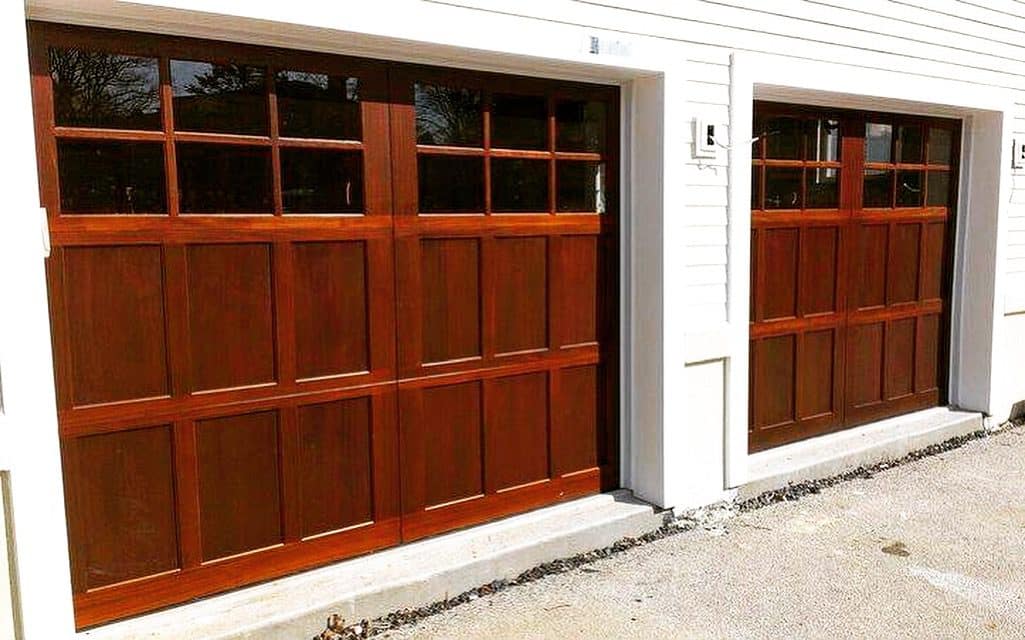
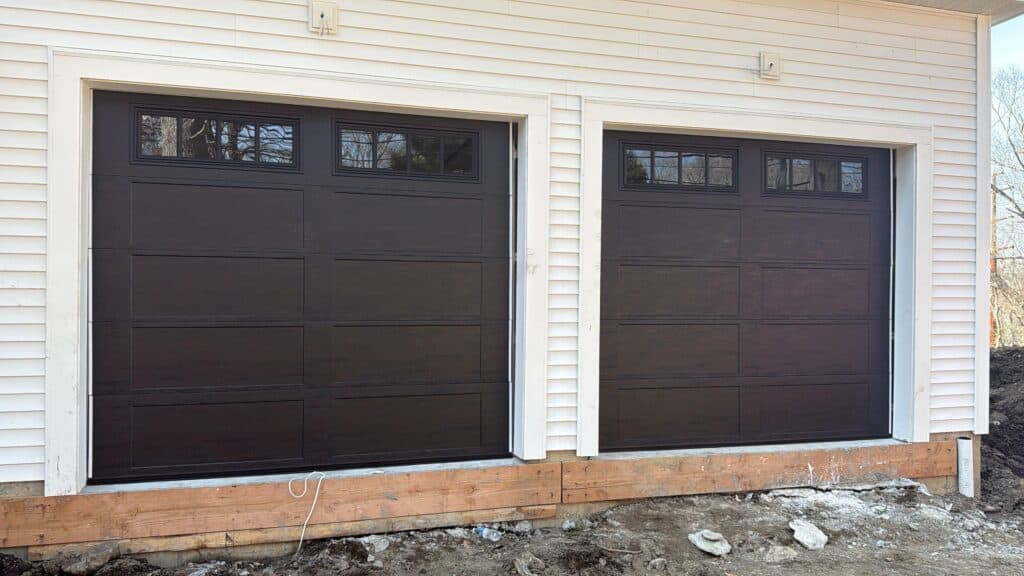
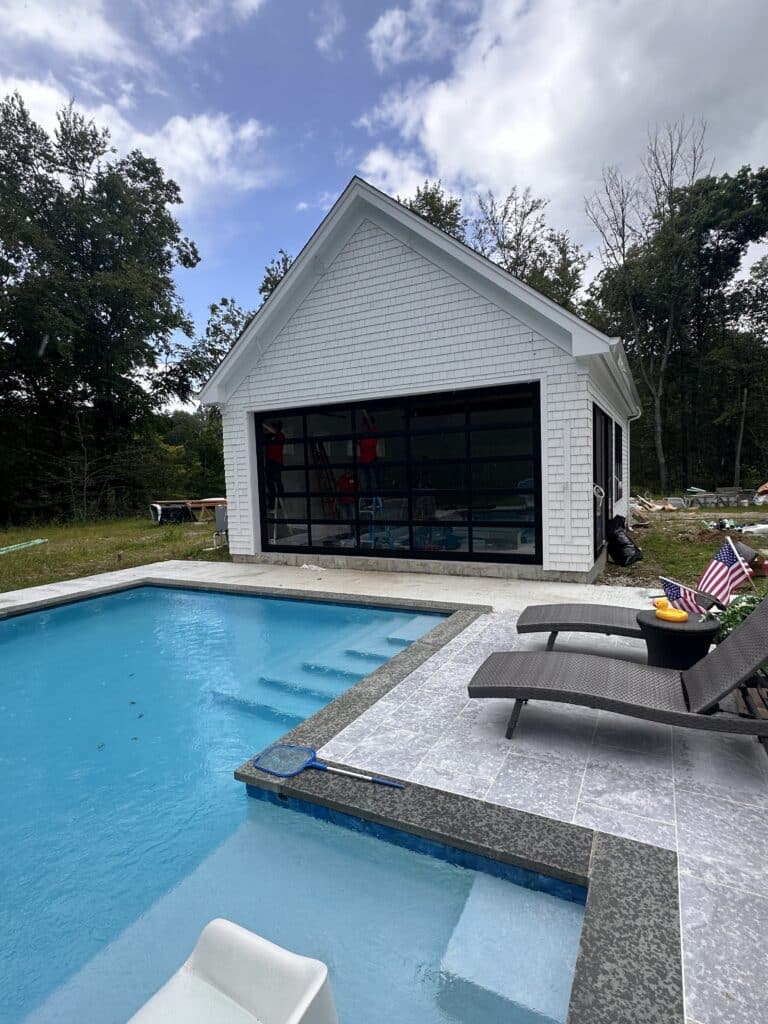
Appearance and size do not replace the need to inspect the operating system.
Tell us its size, whether it is custom and what happens during closing.
The team checks the lift, path and opener for the actual door.
Review the estimate and confirm the door closes normally after approved repair.
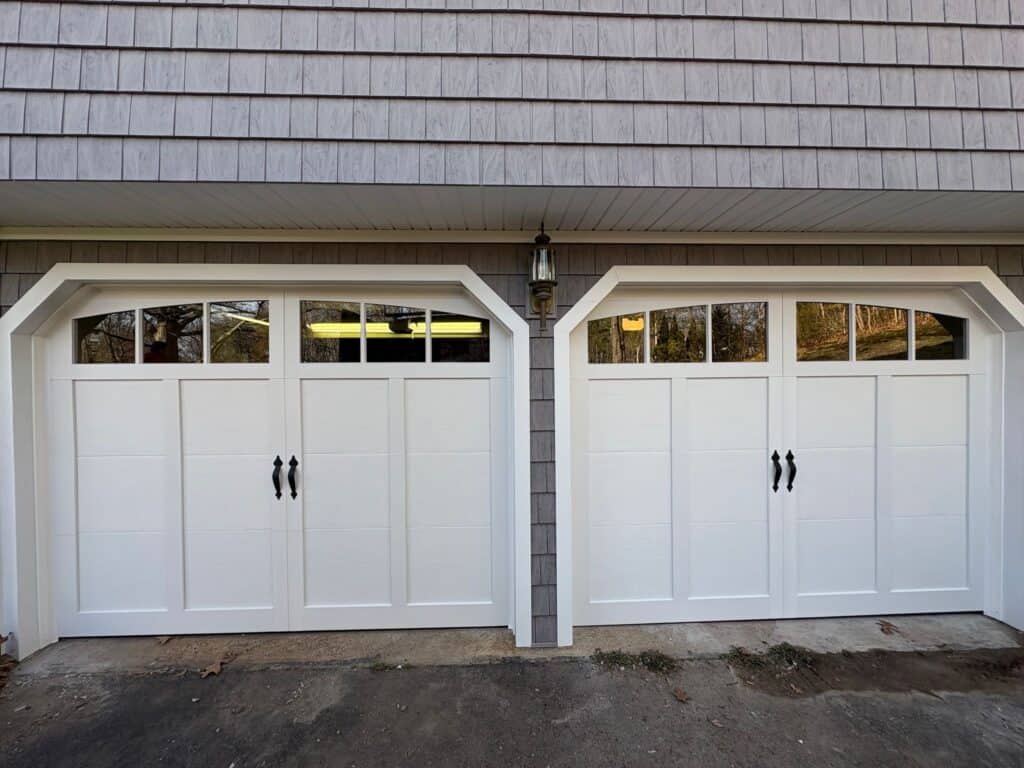
Call with the opening size and the closing symptom. If you later consider replacement, the Monroe showroom gives you full-size doors to compare with the style of your home.
Share your address when you call so the team can confirm service at your property.
Call to request a free installation estimate. For your current Easton door, begin with a repair assessment.
Prefer to call? (203) 895-3017
Share the approximate size and what it does when closing. The team can confirm service and assess the hardware for that specific opening.
Not automatically. The appearance does not tell you whether the fault is in the door, opener or lifting hardware. Inspection comes first.
Appearance and size do not replace the need to inspect the operating system. The team checks the lift, path and opener for the actual door.
Review the estimate and confirm the door closes normally after approved repair.
The sensors, closing path, door movement and opener response can all affect closing. Describe whether the door starts down and where it turns back. Sensors, tracks and opener response matter when the door will not shut.
Uneven lift can involve a cable, spring, roller or track. Avoid repeatedly operating a visibly crooked door and describe the lower side to the team. Both sides need to lift evenly and remain aligned.
A heavy door or a sudden change in lift can be a clue, but it does not confirm the spring is the fault. The spring system and door balance need inspection. The lifting system must support the door’s weight through travel.
A balanced door is easier for the opener to move. If the door has become unusually heavy or uneven, the lift and motor should be considered together. The lifting system must support the door’s weight through travel.
The price depends on the fault, parts and work required. Ask for the proposed scope and estimate after the door is assessed, before authorizing the repair. Review the estimate and confirm the door closes normally after approved repair.
The decision depends on the door’s condition and the fault. Ask the team to explain the repair path; if replacement is worth considering, request a separate installation estimate. Call to request a free installation estimate. For your current Easton door, begin with a repair assessment.
Share the door size and closing behavior so the team can discuss the right inspection.
