A clear cause
Understand whether the hesitation starts in the opener, the controls or the moving door.
A garage door that hesitates, rattles or reverses can turn a simple departure into a question mark. Tell our local team what the door is doing so we can discuss the right next step.
Describe what happens before the door changes direction. Call (203) 895-3017 to discuss repair.
Tell us about the work you need. The team can discuss the next step with you.
Nearly 10 yearsHands-on experience
Licensed & insuredProfessional local service
Monroe showroomCompare full-size doors
Financing availableAsk about installation options
A door that hesitates, rattles or reverses can make an ordinary trip feel uncertain even if it worked yesterday.
Those symptoms can come from different parts. Replacing a remote or adjusting a visible panel may do little if the friction is in the rollers or the door is out of balance.
Have the entire opening and closing cycle observed so the next step is based on the cause rather than the loudest symptom.
Understand whether the hesitation starts in the opener, the controls or the moving door.
Identify points where rollers or tracks interrupt the motion.
Review why the door reverses before it reaches the floor.
See which component is involved and what the proposed work would change.
Rattling and reversal are useful clues, but they need to be matched to the door in motion.
Compare the response to each control before assuming the opener has failed.
Call for repairTell us whether the door pauses, rattles or turns back and at what point.
The team checks controls, door movement and closing behavior.
Review the scope and estimate, then confirm smooth opening and closing after work.
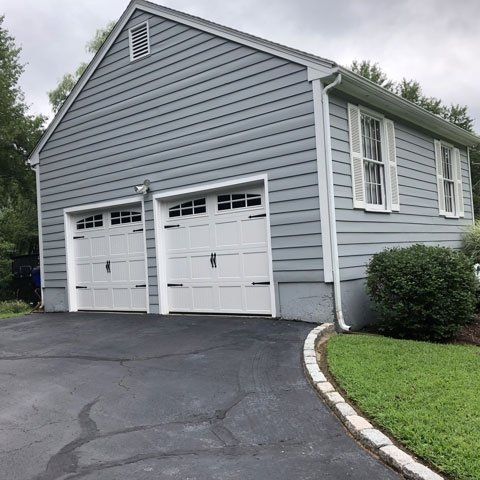
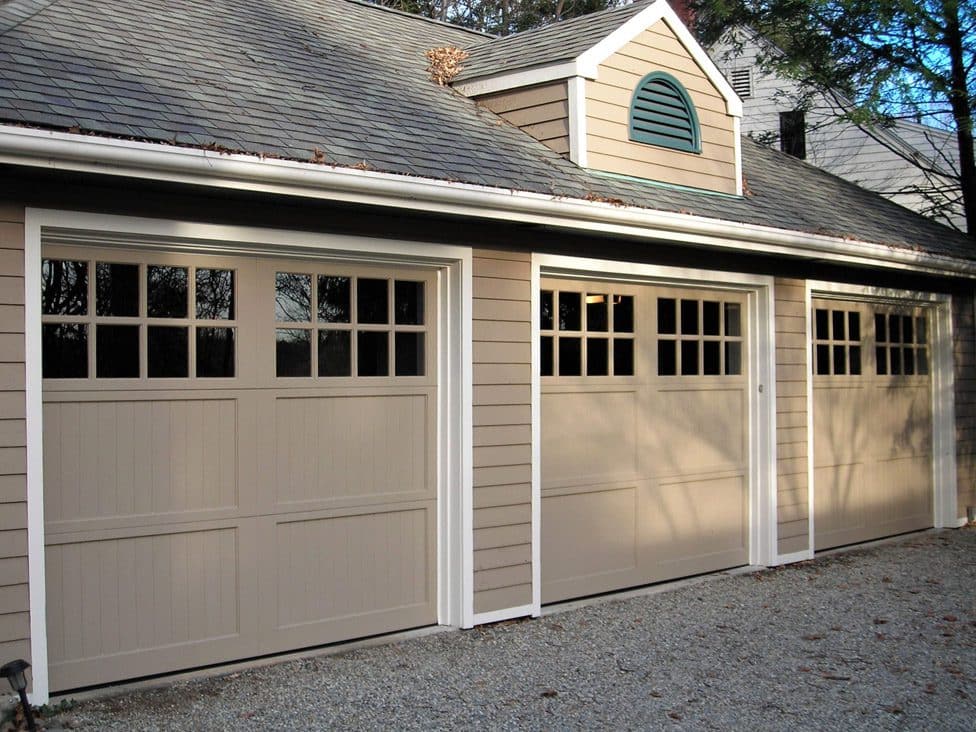
Alvaro’s serves Greenwich from Monroe. A brief description or video of the hesitation helps the repair conversation; the showroom is available if a replacement later becomes relevant.
Share your address when you call so the team can confirm service at your property.
Call to discuss installation estimates. Call about the hesitation first if repair is still an option.
Prefer to call? (203) 895-3017
Intermittent behavior can involve controls, sensors or moving hardware. Note when it fails and what you hear so the team can investigate.
No. Hinges, rollers and other hardware can rattle while the visible panel is sound. The location of the noise helps guide the inspection.
Rattling and reversal are useful clues, but they need to be matched to the door in motion. The team checks controls, door movement and closing behavior.
Review the scope and estimate, then confirm smooth opening and closing after work.
The point of reversal helps the team investigate sensors, resistance in the closing path and opener behavior. It is not enough to name one faulty part. If the door reverses, the sensors and closing path need review.
The sound can come from several moving parts. Note when it begins in the cycle; the team needs to observe the door to identify the cause.
They can affect travel and sound, but tracks, hinges and lift also matter. An inspection can show whether rollers are part of the problem. Listen for the point where a roller or hinge begins to resist.
The sensors, closing path, door movement and opener response can all affect closing. Describe whether the door starts down and where it turns back. If the door reverses, the sensors and closing path need review.
The price depends on the fault, parts and work required. Ask for the proposed scope and estimate after the door is assessed, before authorizing the repair. Review the scope and estimate, then confirm smooth opening and closing after work.
The decision depends on the door’s condition and the fault. Ask the team to explain the repair path; if replacement is worth considering, request a separate installation estimate. Call to discuss installation estimates. Call about the hesitation first if repair is still an option.
Describe the hesitation, rattle or reversal so the whole movement can be assessed.
