
Less strain in daily use
A door that travels evenly is easier to use and less demanding on its opener.
A door that jolts or strains each time it opens makes ordinary use feel uncertain. Tell our local team what the door is doing so we can discuss the right next step.
Note the jolt, scrape or noise and when it happens. Call (203) 895-3017 to discuss repair.
Tell us about the work you need. The team can discuss the next step with you.
Nearly 10 yearsHands-on experience
Licensed & insuredProfessional local service
Monroe showroomCompare full-size doors
Financing availableAsk about installation options
You can keep using a rough-moving door for a while, but each shake makes the next opening less predictable.
A door can look fine from the driveway while rollers, hinges, cables or balance need attention. Changing the most visible part may leave the actual resistance in place.
Ask for the entire movement to be checked so the repair addresses why the door strains, not only the noise you hear.
A door that travels evenly is easier to use and less demanding on its opener.
Rollers, hinges and tracks each affect the same motion; the repair plan should reflect that relationship.
Locate scraping or jolting along the travel path before replacing parts by guesswork.
Know what was checked and why the proposed work should address the rough movement.
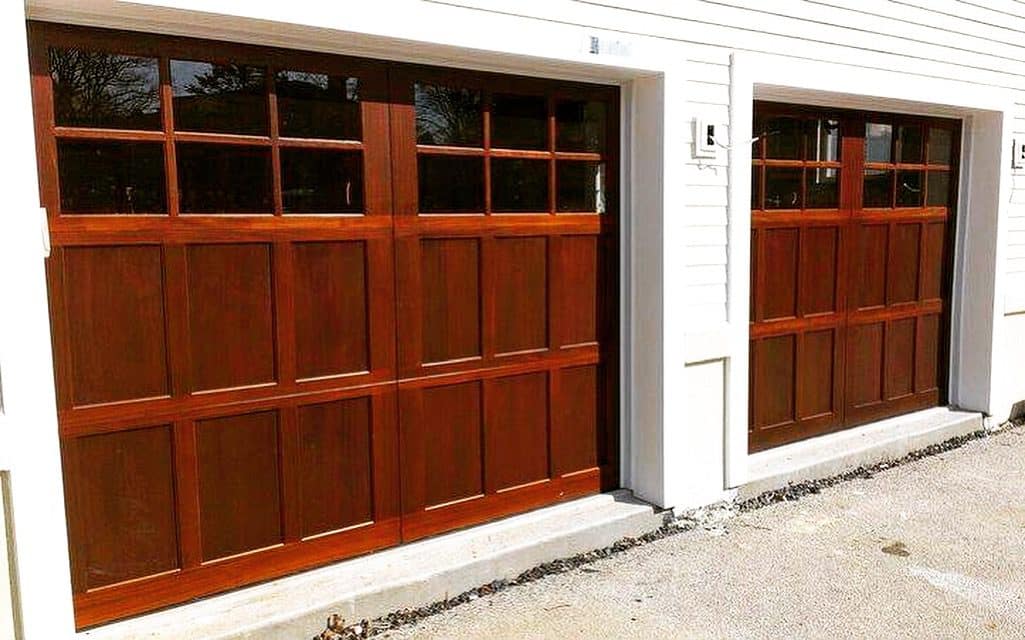
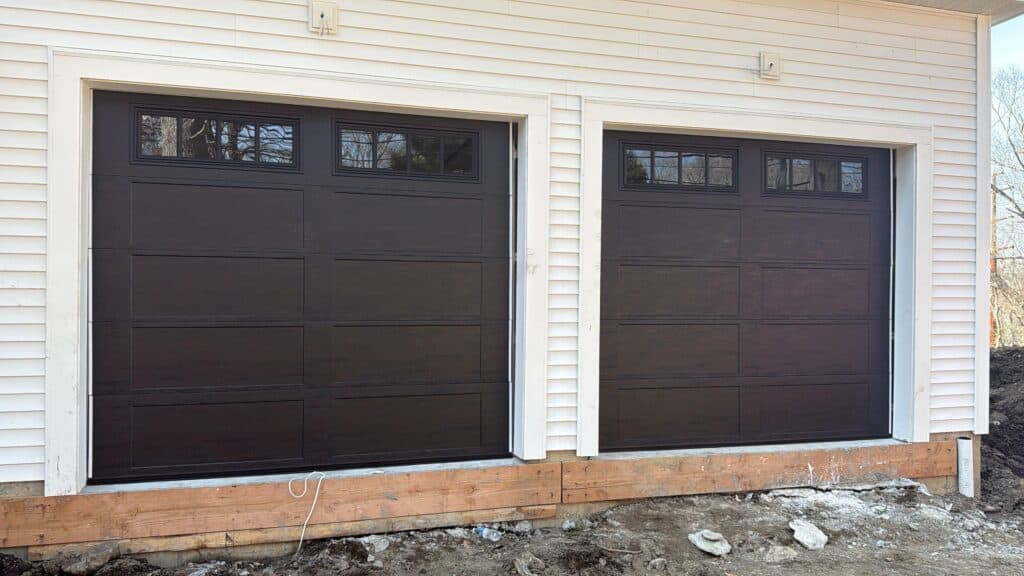
The visible shake is a clue. These components need inspection before anyone names the fault.
Worn or seized rollers can turn a smooth path into a jerky one.
Call for repairMoving joints can create noise and resistance as the sections bend around the track.
Call for repairUneven lift may make the door strain on one side even while the opener runs.
Call for repairA door that catches at the same point may need its travel path assessed.
Call for repairTell the team when the jolt happens and whether the sound changes as the door moves.
The team can inspect rollers, hinges, tracks, lift and opener response as one system.
Review the recommended work and estimate, then have the travel checked again if you proceed.
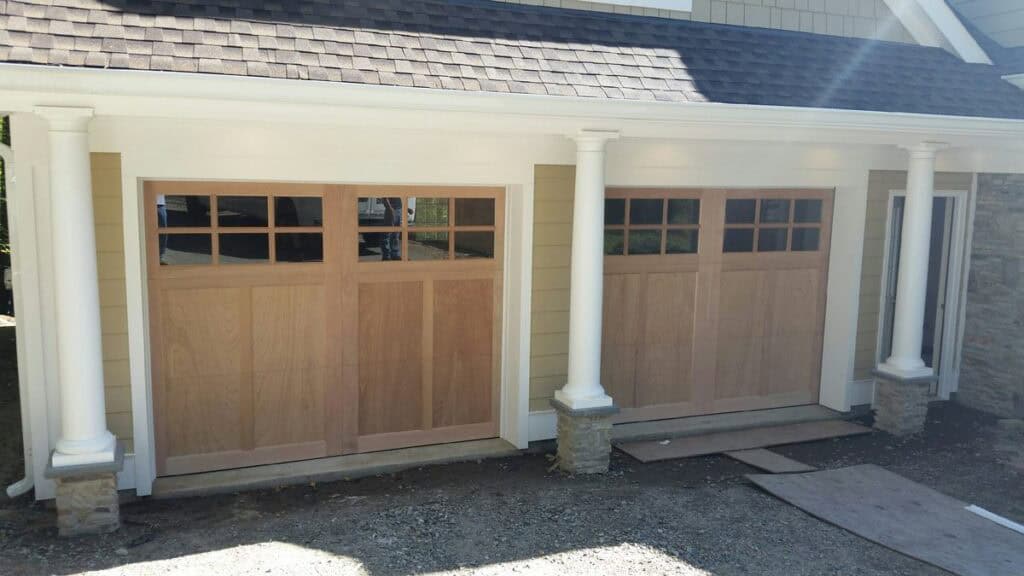

Bring a short video of the movement to the conversation if you have one. Alvaro’s Monroe showroom can also help if the inspection shows that a new door is a better path.
Share your address when you call so the team can confirm service at your property.
Use the shared installation form to compare new-door options. Call for repair if you want the rough movement assessed first.
Prefer to call? (203) 895-3017
The point where it jerks helps narrow the inspection, but it does not identify one part by itself. Describe the position and sound to the team.
Yes. Rollers, hinges, springs and other moving parts are not all visible from the driveway. An inspection can show where the resistance starts.
The visible shake is a clue. These components need inspection before anyone names the fault. The team can inspect rollers, hinges, tracks, lift and opener response as one system.
Review the recommended work and estimate, then have the travel checked again if you proceed.
The sound can come from several moving parts. Note when it begins in the cycle; the team needs to observe the door to identify the cause.
They can affect travel and sound, but tracks, hinges and lift also matter. An inspection can show whether rollers are part of the problem. Worn or seized rollers can turn a smooth path into a jerky one.
Hinges move as the sections turn through the track. A worn or loose joint may make noise, but the whole travel path should be checked. Moving joints can create noise and resistance as the sections bend around the track.
Note the position where it catches and whether it happens in both directions. The track, rollers and door alignment are useful places for the team to check. A door that catches at the same point may need its travel path assessed.
The price depends on the fault, parts and work required. Ask for the proposed scope and estimate after the door is assessed, before authorizing the repair. Review the recommended work and estimate, then have the travel checked again if you proceed.
The decision depends on the door’s condition and the fault. Ask the team to explain the repair path; if replacement is worth considering, request a separate installation estimate. Use the shared installation form to compare new-door options. Call for repair if you want the rough movement assessed first.
Tell the team where the jolt begins so the moving hardware and lift can be considered together.
