A meaningful diagnosis
Compare the motor’s response with the actual weight and movement of the door.
A door that strains and then stops can leave your vehicle on the wrong side of it. Tell our local team what the door is doing so we can discuss the right next step.
Tell us when the strain begins. Call (203) 895-3017 to discuss repair.
Tell us about the work you need. The team can discuss the next step with you.
Nearly 10 yearsHands-on experience
Licensed & insuredProfessional local service
Monroe showroomCompare full-size doors
Financing availableAsk about installation options
When the door starts up slowly, pauses and then gives up, you cannot count on getting the car out next time.
It is tempting to assume the motor is weak. The opener may instead be pushing against a heavy or resistant door, so changing the motor first could miss the cause.
Have the movement, balance and opener response considered together before deciding what to repair.
Compare the motor’s response with the actual weight and movement of the door.
Identify where the strain begins instead of replacing the most obvious device.
Aim for a door that completes its travel rather than stopping partway.
See the proposed work and estimate before committing to it.
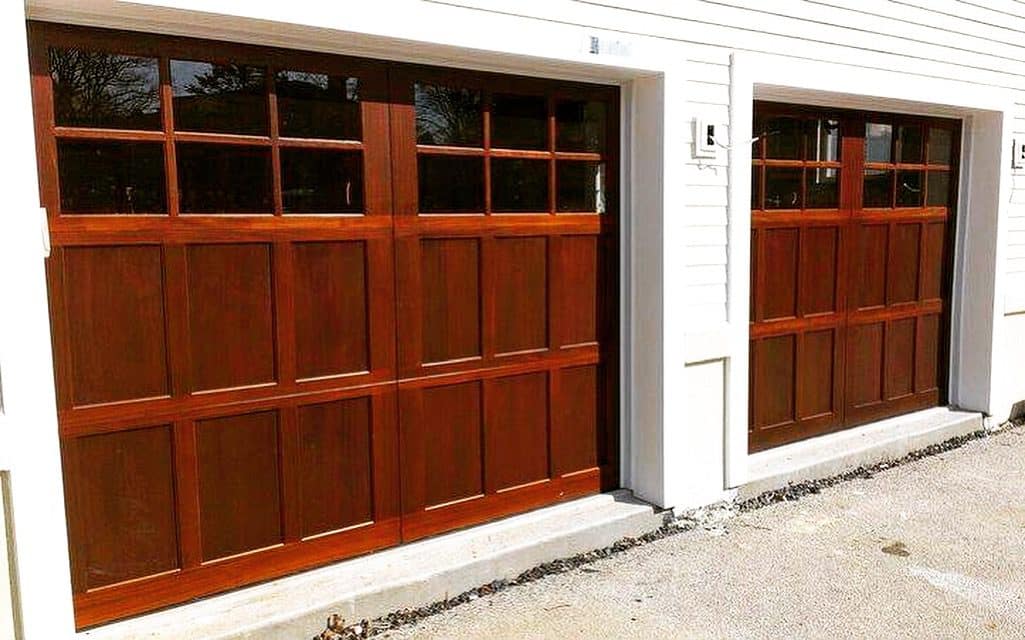
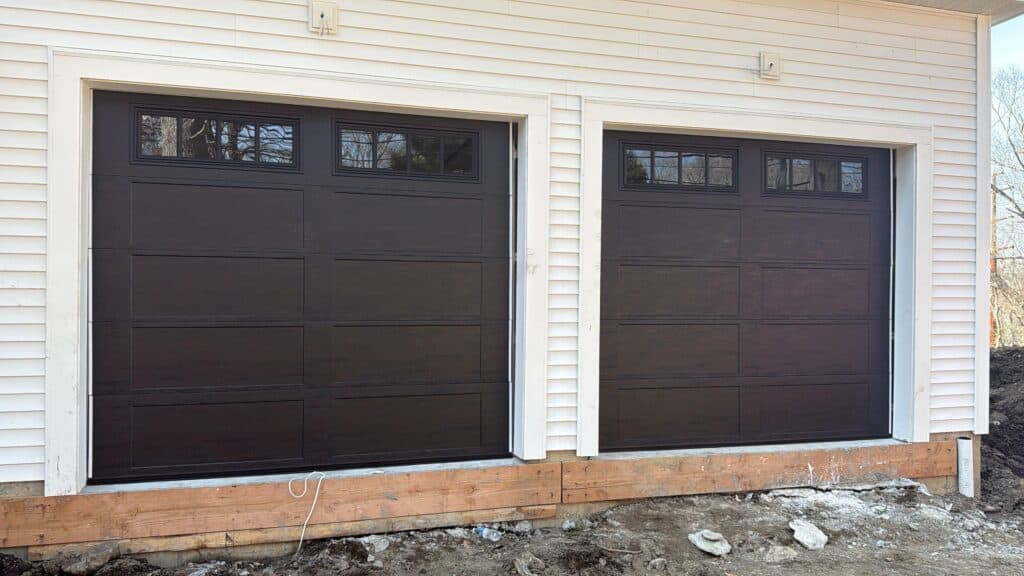
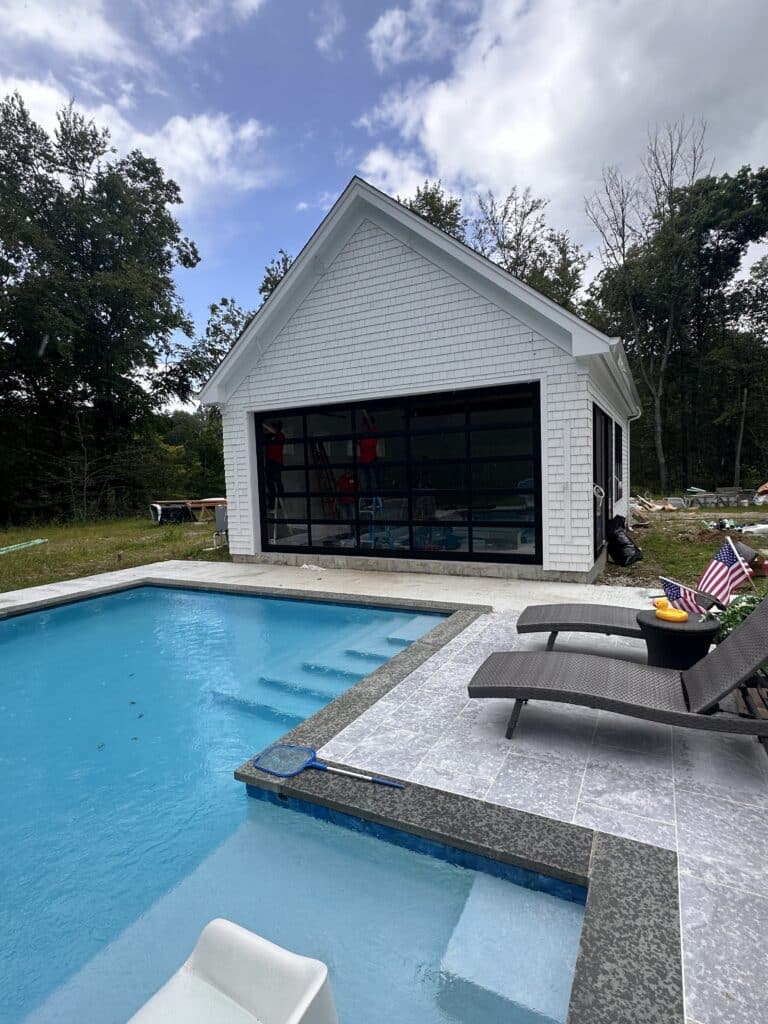
A stopping opener is a symptom; the door and its lift need to be examined too.
Controls, motor behavior and the door’s movement should be considered together.
Call for repairTell us whether the door slows, makes noise or stops at a repeatable position.
The team assesses balance, springs, tracks and opener response.
Review the estimate and, if you proceed, have the full travel checked after repair.
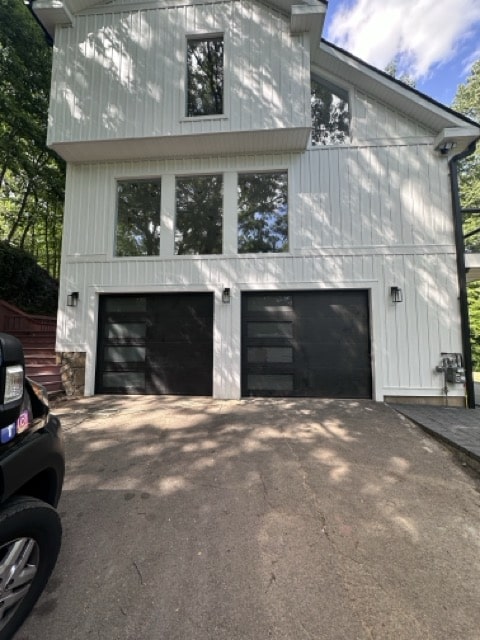
Alvaro’s Monroe team serves Wilton. Call with the symptoms first; the showroom becomes useful if you want to compare a replacement after the repair options are clear.
Share your address when you call so the team can confirm service at your property.
Call to request a free installation estimate; call about a straining door before assuming it needs replacement.
Prefer to call? (203) 895-3017
No. An opener may slow when the door is heavy or binding. The team should assess the door as well as the motor.
That position is useful information. Tell Alvaro’s where it happens and whether the door reverses or simply stops.
A stopping opener is a symptom; the door and its lift need to be examined too. The team assesses balance, springs, tracks and opener response.
Review the estimate and, if you proceed, have the full travel checked after repair.
The lifting system may not be supporting the door as it did before. Springs and cables need assessment; a motor should not be treated as a substitute for proper balance. The spring system may not be carrying the load as intended.
A heavy door or a sudden change in lift can be a clue, but it does not confirm the spring is the fault. The spring system and door balance need inspection. A door that no longer feels balanced can put extra demand on the opener.
No. The motor can be responding to a door that is heavy, binding or disconnected. The opener and moving door should be assessed together. Controls, motor behavior and the door’s movement should be considered together.
Note the position where it catches and whether it happens in both directions. The track, rollers and door alignment are useful places for the team to check. A bind at one point can slow or stop the travel.
The price depends on the fault, parts and work required. Ask for the proposed scope and estimate after the door is assessed, before authorizing the repair. Review the estimate and, if you proceed, have the full travel checked after repair.
The decision depends on the door’s condition and the fault. Ask the team to explain the repair path; if replacement is worth considering, request a separate installation estimate. Call to request a free installation estimate; call about a straining door before assuming it needs replacement.
Tell the team where the door strains and whether the opener keeps trying to move it.
